

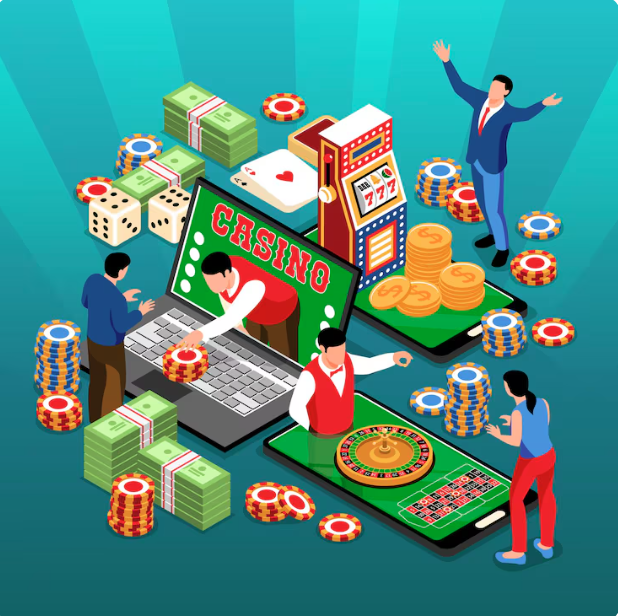

The modern iGaming world has jumped through a huge technological leap, moving away from simple pixelated screens to vibrant, immersive virtual worlds. Right now, digital platforms are shaking up how players connect by blending advanced software with psychological tricks. Thanks to things like 3D slots, blockchain-level security, and AI, the industry is crafting what I’d call an “engagement engine.” It goes well beyond just chance and luck — giving players a deeply personal, interactive gaming experience that could rival any mainstream video game.
How Have Slot Games Evolved from Mechanical Reels to Digital Platforms?
Slots made the jump from clunky mechanical reels to slick digital platforms by swapping out physical gears for electronic components and software-driven random number generators (RNGs). This opened the door to more complex mechanics, multiple paylines, and progressive jackpots — things the old machines could barely dream of.
The transformation started with early mechanical contraptions but really took off when electronics showed up, like Bally’s iconic “Money Honey” machine. Then the digital boom of the 1970s brought us the Fortune Coin, which laid the foundation for today’s video slots. Digging into the history of slot games reveals an ongoing push to grab players deeper. Big modern players like LegionBet Casino host thousands of games without the old brick-and-mortar limits slowing them down.
The Engagement Engine: What Makes Story-Driven 3D Slots Different?
Story-driven 3D slots stand apart by weaving cinematic visuals and character arcs that pull players in emotionally — not just gambling on the chance of a win. This approach flips the usual slot play from mindless spinning to something more like interactive storytelling.
Developers tap engines like Unity Technologies for real-time ray tracing and visuals on par with consoles. Instead of bland spinning fruit, you’re guiding characters through immersive storylines in games like Rich Wilde and the Tome of Madness, unlocking bonus rounds that open new chapters. This kind of design seriously boosts how long players stick around and how much they enjoy the ride.
Moving Beyond the Spin: The Psychology of Interactive Narratives
The real hook in these modern video slots is how they play with player expectations. Sure, core stats like RTP (Return to Player), hit rate, and volatility still shape the math behind the scenes. But the storyline shapes how it feels. When you sense you’re moving through a story, the pain of losing streaks fades because the plot’s still pushing you forward. That’s the heart of this engagement engine—hiding the math behind compelling, interactive moments.
How is Virtual Reality (VR) Changing the Online Casino Experience?
Virtual Reality (VR) flips the online casino game by putting you inside a 360-degree digital world that mimics the sights, sounds, and social buzz of a real casino. It bridges the chill convenience of mobile play with the electric vibe of a live floor.
Following broader gaming technology trends, VR slots are pushing what digital gambling means. Instead of staring at a flat screen, you can look around a lavish virtual casino, join live dealer games, and get up close with huge slot machines.
Haptic Feedback and the Metaverse: Rebuilding the Casino Floor at Home
The next step involves hardware like the Apple Vision Pro and high-end VR headsets that bring haptic feedback into play. That’s tech letting you physically feel the reels stop or the big jackpot celebration rumbling through your fingertips. Link these devices to metaverse casinos, and suddenly you’ve got a social space where avatars gather ‘round progressive jackpots, sharing hype in real-time.
Blockchain vs. Traditional RNG: How Do Digital Platforms Ensure Fair Play?
Digital platforms keep fair play in check either with traditional algorithm-driven Random Number Generators (RNGs) or by adopting blockchain tech, which uses decentralized ledgers to offer math-proof fairness. While RNGs depend on outside audits, blockchain gives players the power to independently confirm every result.
Mistake: Trusting Unlicensed RNG Systems
Why people do it: Higher bonuses lure players on unregulated sites.
Consequence: Rigged code that secretly drains bankrolls with shady low RTPs.
Correction: Stick with licensed iGaming sites or crypto casinos offering “provably fair” blockchain slots—where cryptographic safeguards make cheating impossible.
What Role Does Cloud Gaming Play in Cross-Platform iGaming?
Cloud gaming breaks hardware barriers in cross-platform iGaming by running heavy 3D games on remote servers and streaming them straight to your device. No giant downloads or pricey local gear required.
Just like Xbox Cloud Gaming or PlayStation’s streams, cloud casinos solve hardware woes. You can bounce from desktop to phone smoothly without missing a beat or tanking graphics. This cross-platform gaming connectivity is a must-have for operators aiming to pump up ARPU (Average Revenue Per User).
AI Personalization: How Platforms Curate Your Digital Experience
Behind the scenes, Artificial Intelligence (AI) and machine learning constantly monitor how you play. These systems tailor the platform by suggesting free casino slots or live dealer tables based on what you’ve liked before—your preferred volatility, session length, and more. The result? A custom lobby just for you that seriously cranks up engagement.
The Future of Play: Where Are Immersive iGaming Platforms Heading Next?
Immersive iGaming is steering toward fully blended ecosystems where Augmented Reality (AR), Play-to-Earn (P2E) economies, and AI-driven live narratives all merge. The industry’s future is about creating digital hangouts that mix social gaming, betting money, and interactive stories seamlessly.
Looking ahead, the line between a traditional video game and a casino slot will keep fading. The revolution isn’t just dragging games online; it’s a deep upgrade to the psychological and tech rules that shape how we play.
