

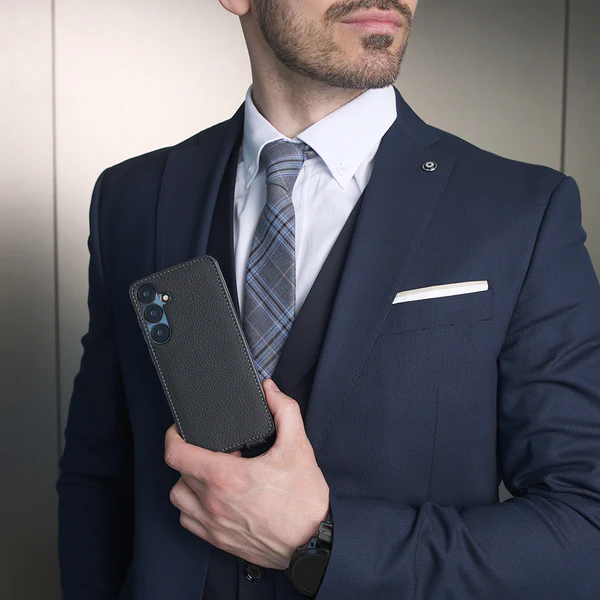

Smart-casual dressing often sounds simple on paper. Wear a nice shirt, add a blazer, choose clean shoes, and you are ready for dinner. In reality, creating a balanced smart-casual look is more nuanced than that. The goal is to appear polished without looking overly formal and relaxed without seeming careless. Few settings reveal this balance more clearly than an evening at a restaurant.
A restaurant dinner sits in that comfortable middle ground between everyday life and a special occasion. You are not attending a formal event, but you still want to make a good impression. The challenge is that everyone understands the difference between someone who simply got dressed and someone who paid attention to the details. Surprisingly, those details are rarely the jacket or the trousers. More often, they are the small accessories that complete the outfit.
This is where personal items quietly influence the overall impression. A refined watch, a slim wallet, or even unique leather cases for Apple devices can add a sense of thoughtfulness to an otherwise simple outfit. These accessories are not designed to attract attention on their own. Instead, they create a feeling of consistency and care that makes a smart-casual look feel intentional.
The illusion of “casual” – Why restaurants are the real test of your wardrobe
Many people assume smart-casual means dressing without effort. The opposite is often true. Formal clothing follows established rules, while casual clothing allows almost unlimited freedom. Smart-casual occupies the space between those two worlds, where personal judgment becomes more important than strict guidelines.
A restaurant environment highlights this challenge perfectly. Wearing a full suit may feel excessive, while showing up in athletic wear can seem out of place. The most successful approach is usually built around simple, versatile pieces that work together naturally.
Dark denim, tailored chinos, an Oxford shirt, or an unstructured blazer are all common choices. Yet these garments only establish the foundation. What truly shapes the final impression are the finishing touches. The way accessories interact with the outfit often determines whether someone appears effortlessly stylish or merely dressed.
The beauty of smart-casual style lies in subtle refinement. Nothing should appear forced, yet every piece should have a purpose.
The watch that whispers, not shouts
If one accessory consistently elevates a restaurant outfit, it is the watch.
Many people associate watches with status, but the most effective smart-casual watches are usually the least aggressive. They do not dominate the wrist or compete with the rest of the outfit. Instead, they contribute quietly to the overall appearance.
A clean dial, balanced proportions, and a quality strap often create a stronger impression than oversized designs loaded with features. A slim leather strap works particularly well for evening outings because it introduces texture while maintaining elegance. A simple metal bracelet can achieve a similar effect when paired with neutral clothing.
The purpose of a watch in a smart-casual setting is not to become the focal point. Its role is to add polish. Like a well-chosen frame around a photograph, it enhances everything around it without demanding attention for itself.
Your wallet and phone case – The handshake test
There are certain moments during an evening when accessories become impossible to ignore.
Perhaps you reach for your wallet when the check arrives. Maybe you place your phone on the table while showing a photo to a friend. These brief interactions reveal more about personal style than many people realize.
A quality wallet communicates practicality and attention to detail. It does not need to be expensive or flashy. In fact, simplicity often works better. A slim leather cardholder feels organized and purposeful, while an overstuffed wallet can create the opposite impression.
The same principle applies to phone cases. Phones have become permanent companions in modern life, making their appearance part of our daily presentation. A thoughtfully chosen leather case ages gracefully and develops character over time.
The belt loophole – One small loop that holds everything together
Belts are rarely discussed when people talk about style, yet they serve an important function.
Visually, a belt creates a transition between the upper and lower parts of an outfit. Without that connection, even well-chosen garments can feel disconnected from one another.
The ideal belt for a restaurant dinner is usually understated. Neutral colors, quality leather, and a simple buckle tend to work best. While matching shoes and belts remains a useful guideline, perfect coordination is not always necessary. What matters more is creating harmony.
The evening takeaway – How three small objects change the entire memory of the night
The most memorable restaurant experiences are rarely defined by clothing alone. Long after the evening ends, people tend to remember how they felt rather than exactly what they wore.
A well-balanced smart-casual outfit contributes to that feeling by removing unnecessary distractions. The watch fits comfortably. The wallet feels reliable. The phone case complements the rest of the look. None of these items demand attention, yet all of them quietly improve the experience.
That is the true power of thoughtful accessories. They transform ordinary moments into smoother, more enjoyable ones. They make an outfit feel complete without making it feel complicated.
