

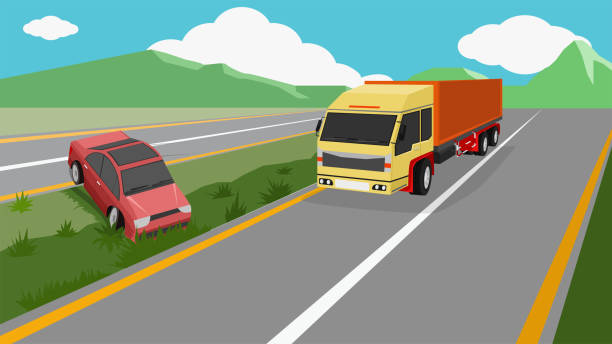

Highway truck crashes leave families stunned, hurt, and looking for answers. You share the road with vehicles that weigh many tons. One mistake can change every part of your day or your life. This blog explains the common causes of truck accidents on highways so you can spot danger earlier and protect yourself. You will read about speeding, worn brakes, poor driver training, and tired drivers who push past safe limits. You will also learn how faulty cargo loading and bad weather mix with pressure from tight delivery schedules. Each cause has warning signs you can notice. You deserve clear facts, not excuses. When a crash happens, someone is responsible. Hart Law understands how these crashes happen and what evidence often gets ignored. With that knowledge, you can ask better questions, stand up for yourself, and demand safer roads for every driver and passenger.
Speeding And Aggressive Driving
Speed is one of the most common causes of highway truck crashes. A loaded truck needs a long distance to stop. When a truck driver speeds, that space disappears.
You face greater danger when you see:
- A truck following too close
- Quick lane changes without signals
- Trucks passing on the right in heavy traffic
According to the Federal Motor Carrier Safety Administration, speeding and driver judgment errors show up again and again in crash reports. You cannot control the truck driver. You can slow down, avoid blind spots, and give trucks more space.
Driver Fatigue And Long Hours
Many truck drivers work long shifts. Some push past legal limits. Fatigue dulls the senses. It slows reaction time. It also leads to poor choices.
Warning signs of a tired truck driver include:
- Truck drifting in and out of the lane
- Late braking at traffic slowdowns
- Inconsistent speed on straight roads
Federal hours of service rules try to reduce this risk. Yet pressure to meet delivery times still pushes some drivers to stay on the road when they should rest. Your best step is to stay clear of trucks that move in an unsteady way. You can change lanes, increase following distance, or exit and re-enter when safe.
Poor Maintenance And Mechanical Failure
Trucks run many miles each week. Parts wear out. When trucking companies skip routine checks, small problems turn into sudden failures.
Common failures include:
- Worn brake pads that lengthen stopping distance
- Tire blowouts that cause swerves
- Broken lights that hide a truck at night or in the rain
The law requires regular inspections. Yet rushed schedules and tight budgets lead some companies to cut corners. A truck with bad brakes or thin tires can turn a simple slowdown into a pileup. You can watch for loose parts, smoke from wheels, or wobbling trailers and then move away from that truck.
Unsecured Or Unbalanced Cargo
Cargo that is not secured can shift, fall, or push a trailer off balance. You may see this with flatbeds, open trailers, or even box trailers loaded in a careless way.
Signs of cargo trouble include:
- Straps that flap in the wind
- Tarps that bulge or lift
- Loads stacked too high or hanging over the side
Shifting cargo can tip a trailer during a curve or lane change. It can also spill into the road and create sudden hazards. You can slow down when passing these trucks. You can also avoid driving right behind them, where fallen cargo would hit first.
Bad Weather And Poor Visibility
Rain, snow, fog, and glare all increase truck crash risk. A truck already needs more distance to stop on dry pavement. Wet or icy roads multiply that need. Fog or heavy rain can hide brake lights and turn signals.
You can protect yourself by:
- Increasing your following distance behind trucks
- Using low beams in fog and heavy rain
- Avoiding sudden lane changes near trucks
The National Highway Traffic Safety Administration reports that weather and visibility problems raise crash risk across all vehicle types. The weight and size of trucks make those crashes more severe.
Distraction And Inattention
Distraction is not only a problem for car drivers. Truck drivers also face phones, screens, radios, and navigation devices. Even a short glance away from the road can be deadly at highway speed.
Common distractions include:
- Texting or checking messages
- Adjusting navigation or music
- Eating while driving
You can watch for trucks that drift within the lane or react late to traffic. Then you can change lanes or pass carefully when safe. You can also keep your own focus on the road. That way, you have more time to respond if a distracted truck driver makes a mistake.
Comparison Of Key Crash Factors
| Cause | Typical Warning Sign You Can See | Simple Step You Can Take |
|---|---|---|
| Speeding and aggressive driving | Tailgating and sudden lane changes | Slow down and give more space |
| Driver fatigue | Drifting within lane and uneven speed | Move away or change lanes |
| Poor maintenance | Smoking brakes, wobbling trailer, missing lights | Do not follow closely. Pass only when clear |
| Unsecured cargo | Loose straps, shifting loads, overhang | Avoid driving directly behind or beside a load |
| Bad weather | Spray, glare, reduced visibility | Increase distance and reduce speed |
| Distraction | Late braking and delayed starts | Stay alert and avoid blind spots |
How You Can Lower The Risk For Your Family
You cannot control how trucking companies operate. You can control how you share the road. Three habits help most.
- Stay out of blind spots. If you cannot see the truck driver’s mirrors, that driver may not see you.
- Give trucks time and space. Change lanes early for merges and exits. Never cut in front of a truck and then brake.
- Plan calm driving. Leave early so you do not feel rushed. A few extra minutes can prevent a harsh outcome.
Truck crashes bring high costs in pain, grief, and lost time. When you know the common causes, you can spot danger and act earlier. You can also ask harder questions when a crash happens and push for safer roads for every family that uses the highway.
