


Selling a home is a significant financial decision, and homeowners today have more options than ever before. Whether you’re looking to move quickly or hoping to maximize your property’s value, understanding the differences between cash sales and traditional real estate transactions can help you choose the best approach for your situation. In recent years, many sellers have explored the benefits of working with cash buyers, including the ability to close rapidly and sell “as-is.” If you’re interested in selling your house in Shoreline, Washington, you can explore your options at https://www.sellmyhousefastforcash.com/we-buy-houses-shoreline-wa/.
Both cash and traditional sales have unique advantages and challenges that can affect your timeline, net proceeds, and peace of mind. By comparing these two methods in detail, you can make an informed and confident decision that aligns with your real estate goals.
Speed of Sale
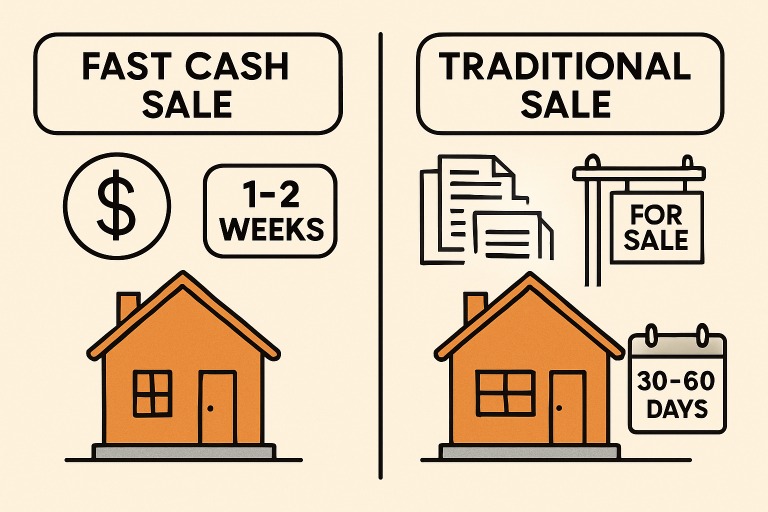
One of the most notable distinctions between cash sales and traditional real estate transactions is the closing timeline. In a cash sale, the buyer uses their own funds, eliminating the need for mortgage approvals, appraisals, or extended underwriting. This is why many homeowners researching ways to sell my house fast for cash find these transactions appealing, as many cash deals can close in as little as one to two weeks. This quick turnaround benefits sellers facing urgent moves, financial pressure, or anyone hoping to avoid the uncertainty of a lengthy process.
Traditional sales, on the other hand, require buyers to secure a mortgage, schedule appraisals, and navigate multiple contingencies. These steps can extend the selling process to 30 to 60 days or longer and introduce the risk of delays if financing falls through.
Financial Considerations
While a traditional sale often attracts higher offers from buyers, it also comes with added costs. Sellers usually pay a real estate commission, typically 5-6% of the home’s sale price, as well as closing costs ranging from 2-5%. Cash buyers generally do not charge commissions and may even cover all or some of the closing costs, allowing sellers to keep more of their proceeds. This streamlined approach often balances out any reduction in the initial offer amount.
Property Condition and Repairs
Another key advantage of selling for cash is the ability to sell your property “as-is.” Many cash buyers specialize in purchasing homes that need repairs, updates, or even major renovations, sparing sellers the expense of costly fixes and the time-consuming work of upgrades.
Selling as-is also allows homeowners to avoid the stress of coordinating multiple contractors or navigating permit requirements. This approach can be especially beneficial for those who need to move quickly due to work, family, or financial reasons. Ultimately, it provides a more straightforward, more predictable path to closing, giving sellers peace of mind throughout the transaction.
Risk of Sale Falling Through
One of the most stressful parts of the traditional selling process is the risk of deals collapsing at the last minute. Traditional transactions can fall apart if buyers fail to obtain financing, the home doesn’t appraise for the agreed price, or inspection findings prompt a change of heart. Cash offers largely eliminate these hurdles, increasing the likelihood of a smooth and successful closing.
Conclusion
Choosing between a cash sale and a traditional real estate transaction depends on your seller priorities and preferences. If you value speed, certainty, and convenience—especially for properties that need repairs—a cash sale might be the most efficient route. Alternatively, if your primary goal is to achieve the highest possible sale price and you’re comfortable with a longer, more complex process, a traditional sale remains a strong choice. Staying informed about evolving market dynamics and regulatory changes will ensure you make the right decision and navigate your home sale with confidence.
